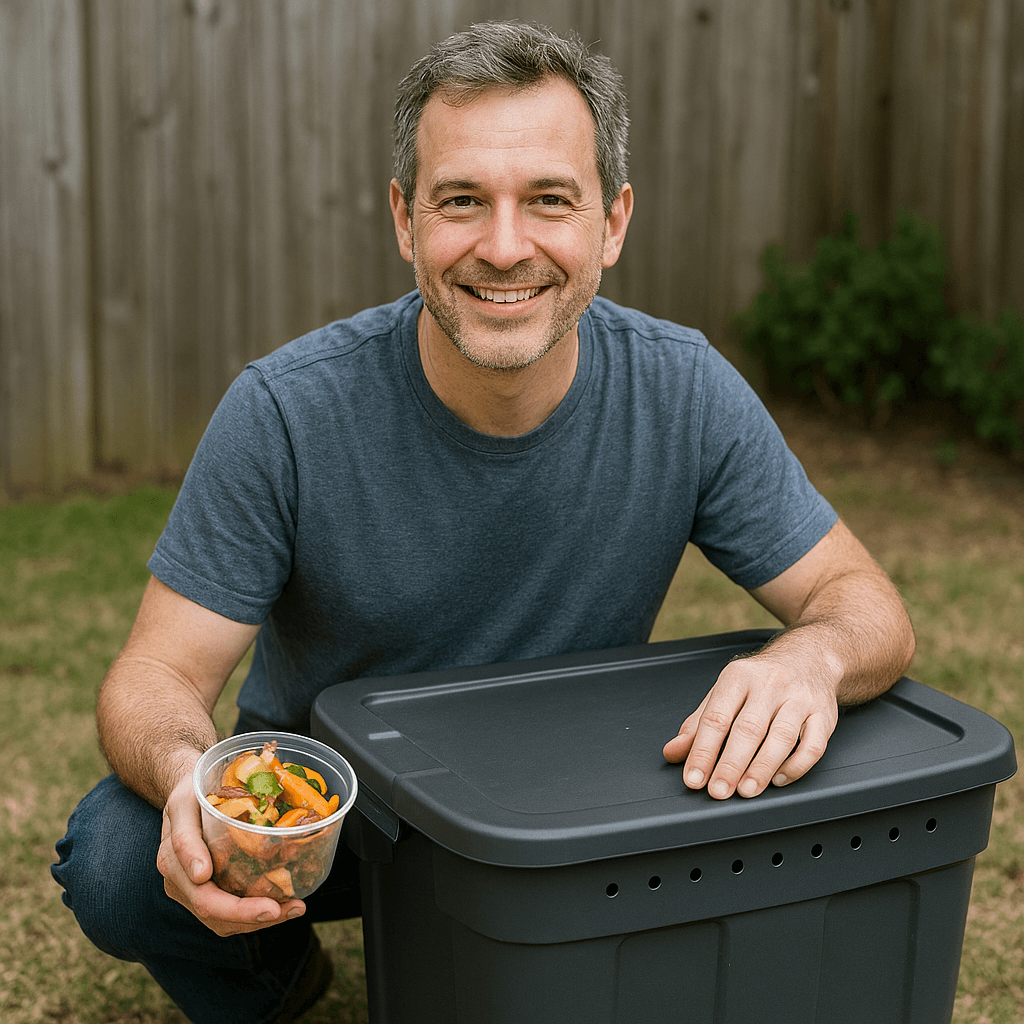
Let me tell you about the worst Tuesday of my life. It was around 11pm, I was tired, and I decided to check on my first Bokashi bucket. I opened the lid and... well, let's just say the smell hit me so hard my eyes watered and my wife yelled from the other room "WHAT DIED IN THERE?!" That's the moment I realized I had made a critical mistake. Your gonna love learning from my disaster.
When I first moved into a tight apartment with zero outdoor space, I thought my soil making days were officially dead. The internet told me that apartment composting was technically possible, but it usually involved keeping thousands of live earthworms inside your bedroom closet, or dealing with a slow, rotting stench that would guarantee an eviction notice from your landlord.
I refused to give up. After a lot of desperate research (and one very awkward phone call to a composting hotline at 2am), I decided to test a Japanese indoor system called Bokashi. I was deeply skeptical. The instruction manuals claimed I could ferment raw meat, dairy, and heavy citrus peels inside a sealed bucket right next to my refrigerator without releasing a single bad odor. Naturally, based on my chaotic track record, I expected a total indoor hazard zone.
Spoiler alert: it actually worked. But it didn't work perfectly on my very first run because I skipped a few crucial operational steps — like the one that caused The Great Stink of 2024. Today, I'm giving you my completely honest, unfiltered review of the indoor Bokashi system, so you can skip my messy mistakes and recycle your kitchen waste cleanly.
- The fundamental difference between rotting compost and fermenting compost (hint: one smells like death).
- The "White Mold" milestone: How to read your indoor bin like a professional.
- How to handle the highly concentrated "Bokashi Tea" without killing your houseplants (I learned this the hard way).
- How to make your own Bokashi bran at home for pennies.
- Advanced troubleshooting for common Bokashi failures.
Wait, What Actually Is Bokashi?
Bokashi (pronounced "bo-ka-shee") is Japanese for "fermented organic matter." It's not composting — it's pickling. While traditional composting relies on oxygen-loving bacteria to rot your food, Bokashi uses beneficial anaerobic microbes to ferment it, just like making kimchi or sauerkraut.
The key difference? Rotting smells like death. Fermentation smells like... well, pickles. A slightly sour, earthy smell that doesn't travel far and definitely won't make your neighbors call the health department. I kept my first Bokashi bucket next to my refrigerator for six months, and not one guest ever noticed it.
Rotting vs. Fermenting: The Secret Science
To understand why this system works indoors, you have to throw out everything you know about traditional outdoor piles. Outdoor composting relies on aerobic bacteria, microbes that need a constant stream of fresh oxygen to break down matter. If you trap those microbes inside a sealed plastic bucket without air, they drown, rot, and release a foul smell that resembles a hot dumpster in July. Trust me — I made this mistake so you don't have too.
Bokashi is the exact opposite. It uses anaerobic microbes (specifically "Effective Microorganisms" or EM) infused into a dry bran carrier. Instead of decomposing the food with oxygen, these microbes pickle the waste through a process called lactic fermentation, very similar to how sauerkraut or kimchi is made. Because the bucket is locked airtight, no oxygen gets in, and no bad smells get out. (Unless you forget to close the lid properly. Don't be like me.)
- The Bokashi Bucket: A specialized double bucket system with an airtight lid and a spigot at the bottom.
- The Microbe Bran: A dry bag of EM 1 infused rice or wheat bran (the secret pickling dust).
- A Heavy Tamper: A flat tool or an old plastic plate to press the air out of the food layers.
- Your Kitchen Scraps: Meat, dairy, onion skins, and fruit leftovers. Everything is welcome here.
Bokashi vs. Traditional Composting vs. Worms
Not sure which method is right for you? Here's how Bokashi stacks up against the alternatives:
| Feature | 🪣 Bokashi | 🌱 Traditional Compost | 🪱 Worm Bin |
|---|---|---|---|
| Space required | Tiny (bucket under sink) | Large (backyard) | Small (under sink or closet) |
| Smell | Pickle-like, mild | Earthy (if managed well) | Earthy, minimal |
| Handles meat/dairy | ✅ Yes! | ❌ No (attracts pests) | ❌ No (rots) |
| Handles citrus/onions | ✅ Yes! | ❌ No (kills microbes) | ❌ No (kills worms) |
| Time to finish | 2-4 weeks + 2 weeks buried | 2-6 months | 2-4 months |
| Best for apartments | ✅ Yes | ❌ No | ✅ Yes |
My verdict: If you have a backyard, traditional composting is cheap and easy. If you want to compost everything (including meat and dairy) indoors, Bokashi is your best bet. If you want worm castings for your houseplants, go with a worm bin. I actually use all three — each has its strengths.
Step by Step: The Clean Indoor Pickling Method
Step 1: The First Inoculation Dust. Before you throw your very first plate of leftovers into your indoor container, you need to prepare the base. Grab your EM microbe bran and scatter a generous tablespoon directly onto the grid at the bottom of the bucket. This builds a biological welcome mat for the coming waste.
 Sprinkling the active EM bran at the bottom. This dry powder prevents any standard rotting bacteria from taking over your kitchen cabinet. (I forgot this step once. Never again.)
When scattering the bran, make sure it covers the holes of the internal drainage plate evenly. You don't need to dump half the bag in there. A thin, consistent layer is all it takes to initialize the lactic fermentation cycle. If you skip this initial baseline, the first food scraps will touch the bare plastic, trap standing moisture, and ruin the batch. Ask me how I know this.
Step 2: Layering and the Oxygen Crush. Dump your daily kitchen waste into the bucket. Now, grab your heavy tamper or a flat plastic tool and press down hard on the food scraps. We are not trying to make a smoothie. We are forcing the trapped air bubbles out. Oxygen is the ultimate enemy of the Bokashi cycle. (I learned this after my second failed batch smelled like a football locker room.)
Step 3: The Bran Blanket and Seal. Cover your fresh food layer with another healthy tablespoon of microbe bran. Close the lid immediately and press it down tight until you hear the airtight snap. Every time you open the bucket, you introduce oxygen, so try to only open it once a day to deposit all your scraps at once.
DIY Bokashi Bran: Save Money by Making Your Own
Commercial Bokashi bran costs $15-25 per bag. But you can make your own for pennies using supplies from your local feed store. Here's how:
- Base: 10 lbs of wheat bran or rice bran ($5-8 at a feed store).
- Inoculant: EM-1 liquid concentrate or effective microorganisms (available online, $10-15).
- Molasses: Unsulfured blackstrap molasses (the food for your microbes).
- Water: Non-chlorinated (let tap water sit out for 24 hours).
Instructions: Mix 1 part EM-1 with 1 part molasses and 20 parts water. Spray this mixture onto the bran until it's damp (like a wrung-out sponge). Seal in an airtight bag for 2 weeks. Then spread it out to dry. That's it — you just made $50 worth of Bokashi bran for $10.
The Indoor Diet: What You Can Actually Pickle
The greatest feature of the indoor anaerobic system is its heavy tolerance. Unlike traditional outdoor piles or delicate worm farms that require strict diets, the Bokashi microbes can aggressively process almost any organic matter you throw their way.
| 🟢 BOKASHI LOVES (Put it in!) | ❌ BOKASHI HATES (Keep it out!) |
|---|---|
| Raw Meat, Bones, Fat and Dairy Scraps | Large Amounts of Liquid (Soup, Milk, Juice) |
| Coffee Grounds, Tea Bags and Citrus Peels | Green Moldy Food (Rotten elements destroy EM) |
| Cooked Foods, Leftover Sauces and Oils | Glossy Paper, Plastic Wrappers and Stickers |
| Eggshells, Bread Crusts and Vegetable Trims | Pet Waste (Dog or Cat feces) |
The Golden Rule of Indoor Feeding. Keep the moisture low. If you dump a bowl of leftover cereal or soup into the bucket, you will flood the fermentation chamber. The waste will drown, the pH will collapse, and your kitchen will quickly turn into a biohazard zone. Drain your wet food before adding it — seriously, this is non-negotiable.

The Liquid Gold: Draining Bokashi Tea
Every 3 to 5 days, you need to open the spigot at the bottom of your bucket and drain the fluid. This liquid is packed with active microbes and organic acids. But here is an intense warning that I learned from killing three of my wife's favorite plants. Do not pour it straight onto your plants! It is highly acidic. Always dilute it by mixing one teaspoon of this tea into a full gallon of fresh water before feeding your indoor jungle.
5 Genius Uses for Bokashi Tea (Don't Waste It!)
That liquid you're draining? It's pure gold for your garden. Here's how to use it:
- Liquid fertilizer: Dilute 1:100 (1 teaspoon per gallon) and water your plants. They'll go crazy.
- Drain cleaner: Pour undiluted tea down your kitchen sink. The beneficial bacteria eat the gunk in your pipes.
- Compost accelerator: Spray it on your outdoor compost pile to speed up decomposition.
- Odor eliminator: Dilute 1:100 and spray on smelly trash cans or pet areas. The microbes eat the odor-causing compounds.
- Septic system booster: Flush diluted tea down the toilet to add beneficial bacteria to your septic tank.
 This brown liquid looks nasty but smells like pickles. My roses have never been happier.
The White Mold Milestone: How to Know It's Working
After your indoor bucket is completely full, you must keep it sealed tight for 14 straight days without opening it. This is the fermentation lock period. Around day 7, you might notice a fuzzy layer of white mold growing across the top surface of your food scraps.
Don't panic! White mold (actinomycetes) is an absolute sign of victory. It proves that the lactic fermentation is functioning perfectly and pickling your trash. However, if you open the lid and find a furry coat of black, green, or blue mold, your airtight seal failed, oxygen got in, and the batch has gone rotten. Toss it out in the backyard, rinse the bucket, and start over. (Yes, this happened to me twice. Yes, I cried a little.)
The Final Step: Burying the Pickle
When the 14 days are up, the contents will look exactly like the food you threw in. A banana peel will still look like a banana peel. But chemically, its structure is completely pre digested. The final step is to take this pickled mass and bury it under 6 inches of dirt in a garden bed or a large outdoor planter container. Within two weeks, the soil microbes will consume it completely, turning it into rich soil. It's like magic, but smellier.
Advanced Troubleshooting: What Went Wrong?
| Problem | Likely Cause | Solution |
|---|---|---|
| Rotten egg smell | Too much moisture or not enough bran | Drain liquid immediately. Add more bran. Press tighter. |
| Green/black mold (not white) | Oxygen got in (poor seal) | Discard batch. Clean bucket. Start over with fresh seal. |
| No liquid draining from spigot | Contents too dry (not enough moisture) | Add a splash of water or moist scraps. Wait a few days. |
| Fruit flies around bucket | Lid not fully sealed OR you opened it too often | Check seal. Only open once per day. Clean bucket rim. |
| Contents not fermenting after 14 days | Old or dead bran (microbes died) | Buy fresh bran or make your own. Start over. |
Frequently Asked Questions (From Real Apartment Dwellers)
No. A healthy Bokashi bucket smells like pickles or fermented vegetables — a mild, sour scent that doesn't travel far. If yours smells like rotten eggs, something went wrong (usually too much moisture).
No. Green, blue, or black mold means the food is already rotten. Those molds will compete with and kill your beneficial EM microbes. Only add fresh scraps or scraps with white mold.
Technically yes, but you can DIY it. You need an airtight lid and a spigot to drain liquid. You can modify a 5-gallon food-grade bucket with a spigot from the hardware store. But commercial Bokashi buckets are only $30-40 and worth it for the convenience.
You have options: 1) Give it to a friend with a garden, 2) Bury it in a large planter pot on your balcony, 3) Add it to a community garden, 4) Mix it into a worm bin (the worms love it), or 5) Add it to an outdoor compost pile as an activator.
It depends on how much you cook. A single person might take 3-4 weeks to fill a 5-gallon bucket. A family of 4 might fill it in 1-2 weeks. You can also buy two buckets and rotate them.
Yes, but why would you? Traditional composting is easier outdoors. Bokashi shines indoors. That said, you can use a Bokashi bucket on a balcony or in a garage if you don't want it in your kitchen.
Why Bother? The Real Benefits of Bokashi
- Diverts waste from landfills: Food waste in landfills produces methane (25x worse than CO2). Bokashi prevents this.
- Handles everything: Meat, dairy, citrus, onions — things that worms and traditional compost can't process.
- No smell, no pests: The airtight seal means flies, ants, and raccoons can't get in.
- Produces liquid fertilizer: Bokashi tea is a powerful, free plant food.
- Fast: 2-4 weeks to ferment, then 2 weeks in soil. That's 2 months faster than traditional compost.
- Perfect for apartments: Fits under your sink. No worms. No outdoor space required.
I calculated that I diverted over 200 pounds of food waste from the landfill last year using my Bokashi bucket. Plus, my indoor plants have never looked better. Worth it just for the bragging rights.

Did you catch the legendary white mold? Or did your kitchen bucket turn into a swamp like my first one?
Scroll down to our community board, click the camera icon, and upload a quick photo of your indoor setup or your diluted Bokashi tea. Let's troubleshoot your apartment system together! I promise not to laugh at your mistakes — I've made worse ones.